
Breaking the Stigma: Why Seeking Mental Health Treatment Is a Sign of Strength
By Simplie Psychiatry • December 5, 2025 • 6 min read
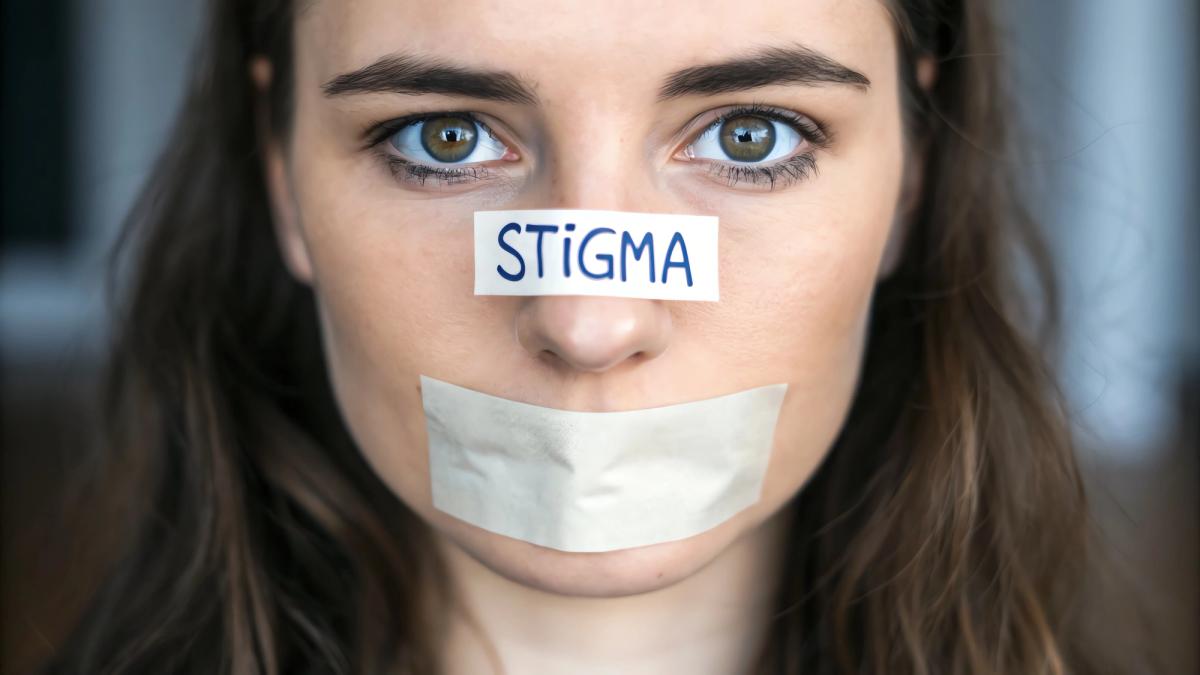
Despite significant progress in mental health awareness, stigma remains one of the biggest barriers to treatment. According to the National Alliance on Mental Illness (NAMI), the average delay between symptom onset and treatment is 11 years—a gap largely driven by shame, fear of judgment, and misconceptions about mental illness.
Understanding Mental Health Stigma
Stigma operates on multiple levels. Public stigma refers to negative attitudes held by society, while self-stigma occurs when individuals internalize these beliefs. A 2023 survey by the American Psychiatric Association found that while 87% of Americans believe mental health is as important as physical health, only 47% would feel comfortable discussing their own mental health struggles with others.
"Seeking help for mental health is no different than seeing a doctor for a broken bone. Both require professional expertise to heal properly." — American Psychological Association
The Reality: Mental Health Conditions Are Medical Conditions
Modern neuroscience has definitively established that mental health conditions have biological underpinnings. Brain imaging studies show measurable differences in neural activity and structure in conditions like depression, anxiety, and ADHD. These are not character flaws or signs of weakness—they are medical conditions that respond to evidence-based treatment.
Consider these facts:
1 in 5 American adults experiences mental illness each year
50% of all lifetime mental illness begins by age 14
Treatment success rates for depression (80%) exceed those for many physical conditions
Why Seeking Help Takes Courage
Reaching out for mental health support requires vulnerability—one of the most challenging human experiences. It means acknowledging that something isn't working and being willing to explore change. This is not weakness; it's self-awareness and proactive health management.
Research published in the Journal of Clinical Psychology shows that individuals who seek treatment early experience better outcomes, shorter recovery times, and lower rates of relapse. Early intervention can prevent mild symptoms from developing into more severe conditions.
How to Take the First Step
Educate yourself: Learning about mental health conditions can reduce fear and self-stigma.
Start with someone you trust: Share your concerns with a friend, family member, or primary care physician.
Research your options: Many practices offer free consultations to help you understand what treatment might look like.
Remember confidentiality: HIPAA laws protect your privacy. Your mental health treatment is between you and your provider.
You're Not Alone
At Simplie Psychiatry, we understand that reaching out can feel daunting. Our compassionate team creates a judgment-free environment where you can explore your concerns at your own pace. Whether you're experiencing symptoms for the first time or have been struggling for years, effective treatment is available—and you deserve to feel better.
Simplie Psychiatry
Our team of board-certified psychiatric providers are dedicated to compassionate, evidence-based mental health care
Related Articles



Ready to prioritize your mental health?
Join hundreds of individuals who have transformed their lives through our compassionate, evidence-based mental health services. Your journey to wellness starts with a single step.
No commitment required • Free consultation available