
Managing Anxiety: Practical Strategies for Daily Life
By Simplie Psychiatry • December 7, 2025
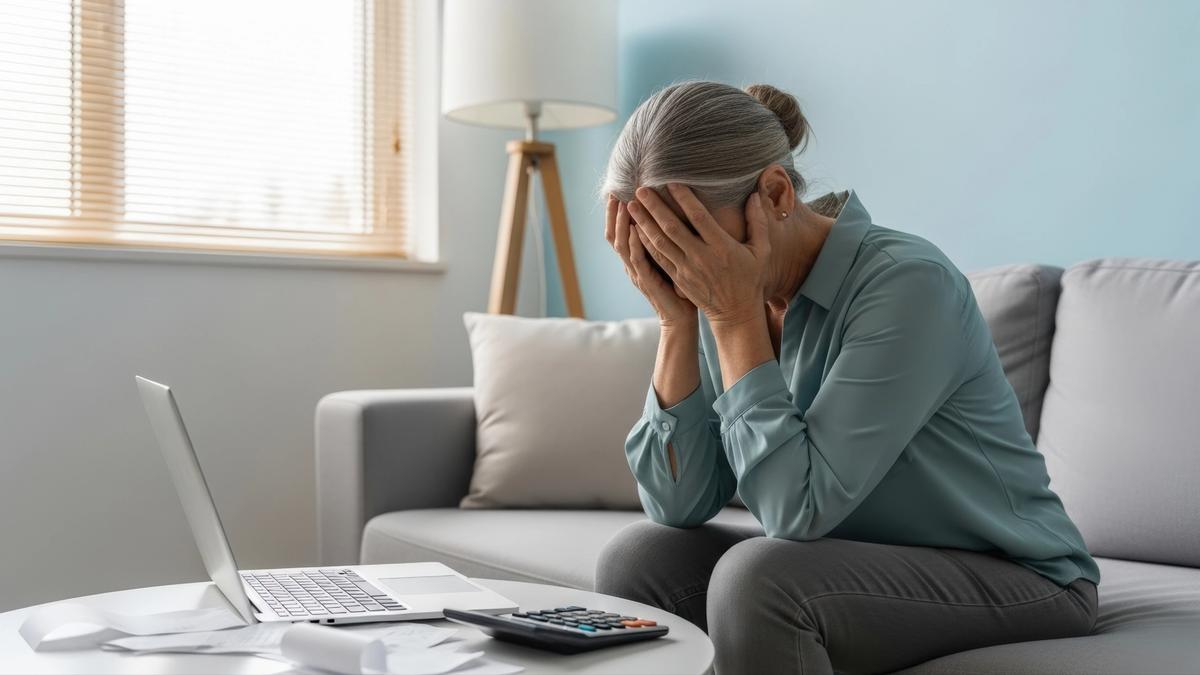
Anxiety is one of the most common mental health conditions, affecting millions of people worldwide. While it's normal to feel anxious occasionally, persistent anxiety can interfere with daily activities, relationships, and overall quality of life. The good news is that anxiety is highly treatable with the right combination of strategies and professional support.
Understanding Anxiety
People experience anxiety in different ways. Some notice physical symptoms first, while others are more aware of cognitive or emotional changes. Both patient-reported and clinically observed symptoms can include:
Physical Indicators
Increased heart rate or palpitations
Gastrointestinal discomfort
Muscle tension
Sweating, tremors, or restlessness
Fatigue
Sleep disturbance
Cognitive and Emotional Indicators
Persistent or intrusive worry
Difficulty concentrating
Anticipatory fear
Heightened startle response
Rumination or catastrophizing
Behavioral Indicators
Avoidance of anxiety-provoking situations
Reassurance-seeking
Agitation or pacing
Withdrawal from social or role-related responsibilities
Evidence-Based Treatments
Cognitive-Behavioral Therapy (CBT): re among the most well-supported approaches for managing anxiety. CBT helps individuals identify and challenge maladaptive thought patterns that contribute to anxious responses. Helps reframe anxious thoughts into healthier patterns. Meta-analyses show CBT to be highly effective across multiple anxiety disorders, including generalized anxiety disorder and panic disorder (Hofmann et al., 2012).
Mindfulness-Based Therapies: Mindfulness-based interventions, such as mindfulness-based stress reduction (MBSR), have demonstrated effectiveness in reducing anxiety by improving emotional regulation and decreasing physiological stress responses. Encourage present-moment awareness and reduce the cycle of worry. Regular mindfulness practice is associated with moderate but clinically meaningful reductions in anxiety symptoms (Khoury et al., 2015).
Physical Activity Regular physical activity is a well-established protective factor against anxiety. Aerobic exercise has been shown to reduce cortisol levels and improve mood through neurochemical changes. Systematic reviews support exercise as an effective adjunctive intervention for anxiety management (Stubbs et al., 2017).
Sleep and Lifestyle Regulation Anxiety and sleep disturbance frequently co-occur and exacerbate one another. Evidence suggests that improving sleep hygiene—such as maintaining consistent sleep schedules and limiting caffeine—can reduce anxiety severity. Lifestyle interventions play a critical role in long-term symptom management (Alvaro et al., 2013).
Medication: In some cases, pharmacological support alongside therapy may recommend for individuals with moderate to severe anxiety. Selective serotonin reuptake inhibitors (SSRIs) and serotonin-norepinephrine reuptake inhibitors (SNRIs) are supported by strong evidence and are most effective when combined with psychotherapy and clinical monitoring (Bandelow et al., 2017).
When to Seek Professional Support
Professional evaluation is recommended when anxiety symptoms persist, worsen, or interfere with work, relationships, or daily activities. Early, evidence-based treatment is associated with improved functioning, lower relapse rates, and enhanced quality of life (National Institute of Mental Health [NIMH], 2023).
Conclusion
Anxiety is a highly treatable condition. Evidence-based strategies—including cognitive behavioral techniques, mindfulness practices, physical activity, lifestyle modification, and pharmacological treatment when appropriate—can significantly reduce symptoms and improve daily functioning. A comprehensive, individualized approach offers the strongest foundation for long-term anxiety management.
References
Alvaro, P. K., Roberts, R. M., & Harris, J. K. (2013). A systematic review assessing bidirectionality between sleep disturbances, anxiety, and depression. Sleep, 36(7), 1059–1068.
Bandelow, B., Michaelis, S., & Wedekind, D. (2017). Treatment of anxiety disorders. Dialogues in Clinical Neuroscience, 19(2), 93–107.
Hofmann, S. G., Asnaani, A., Vonk, I. J. J., Sawyer, A. T., & Fang, A. (2012). The efficacy of cognitive behavioral therapy: A review of meta-analyses. Cognitive Therapy and Research, 36(5), 427–440.
Khoury, B., Sharma, M., Rush, S. E., & Fournier, C. (2015). Mindfulness-based stress reduction for anxiety: A meta-analysis. Journal of Psychosomatic Research, 78(6), 519–528.
National Institute of Mental Health. (2023). Anxiety disorders. NIMH.
Stubbs, B., et al. (2017). An examination of the anxiolytic effects of exercise: A meta-analysis. Depression and Anxiety, 34(7), 593–602
Simplie Psychiatry
Board-certified psychiatric treatment for anxiety and related conditions.
Related Articles

Postpartum Mental Health: Recognizing When You Need Support
Read More
Breaking the Stigma: Why Seeking Mental Health Treatment Is a Sign of Strength
Read More
The Science of Sleep and Mental Health: What Research Tells Us
Read MoreReady to prioritize your mental health?
Join hundreds of individuals who have transformed their lives through our compassionate, evidence-based mental health services. Your journey to wellness starts with a single step.
No commitment required • Free consultation available